
There are sticky notes on the fridge, three spreadsheets with overlapping customer lists, and someone swears the sales number was different last week. That chaos is familiar to a lot of small businesses, especially when growth outpaces simple workflows. After a couple of near-misses with orders and payroll I realized the problem wasn't people, it's the system—it's time to talk about a single source of truth.
Why this matters more than you think
Small teams don't have the luxury of redundant processes the way big enterprises do. When data is scattered across email threads, accounting tools, CRMs and spreadsheets, decisions get delayed or worse, wrong. The thing is, errors don't always look dramatic at first. They're small leaks that add up into lost revenue, annoyed customers, and burned-out staff (I think that last one matters more than CEOs admit).
And a single source of truth isn't just a fancy IT project. It's a practical approach to business data management that makes your day-to-day less noisy, and your decisions more repeatable. When the numbers come from one place, people trust them. Trust speeds things up. Fast decisions matter for a small business more than fancy strategy documents.
What a single source of truth actually is
At its core a single source of truth is a canon of record for critical business information. It's the agreed upon dataset everyone uses for reporting, forecasting, and operations. That could be a central database, a well-configured CRM, or a data warehouse connected to your analytics tools. The format will vary, but the principle is the same: one version of the facts, accessible and governed.
Centralized data automation plays a big role here. Automation helps keep that canon current without human heroics every month end, and it reduces manual reconciliation which is where mistakes creep in. You automate ETL or use syncs so that inventory, sales, and customer records update themselves on a reliable cadence.
Concrete benefits for small teams
One source of truth reduces friction across the organization. Sales knows the available stock when promising delivery. Marketing sees which campaigns actually produced paying customers. Finance closes the books faster because numbers don't need cross-checking across a dozen files. Those are tangible improvements that show up on the bottom line.
You'll also get better forecasting. When data is consistent you can detect trends earlier, allocate inventory smarter, and plan hiring more confidently. That kind of clarity helps you avoid both stockouts and overstock, which are surprisingly expensive mistakes for small businesses.
And customer experience improves. When support agents, sales reps and fulfillment staff all look at the same customer record, the interaction feels seamless. Customers don't have to repeat themselves. That matters a lot, because loyalty is fragile and word of mouth still pays off more than paid ads for many small brands.
Practical steps to create your single source
Start by naming what matters. Pick the data domains that drive your business--customers, orders, inventory, invoices--and make them priorities. You don't need to centralize everything at once. Begin with the handful of records that cause the most pain.
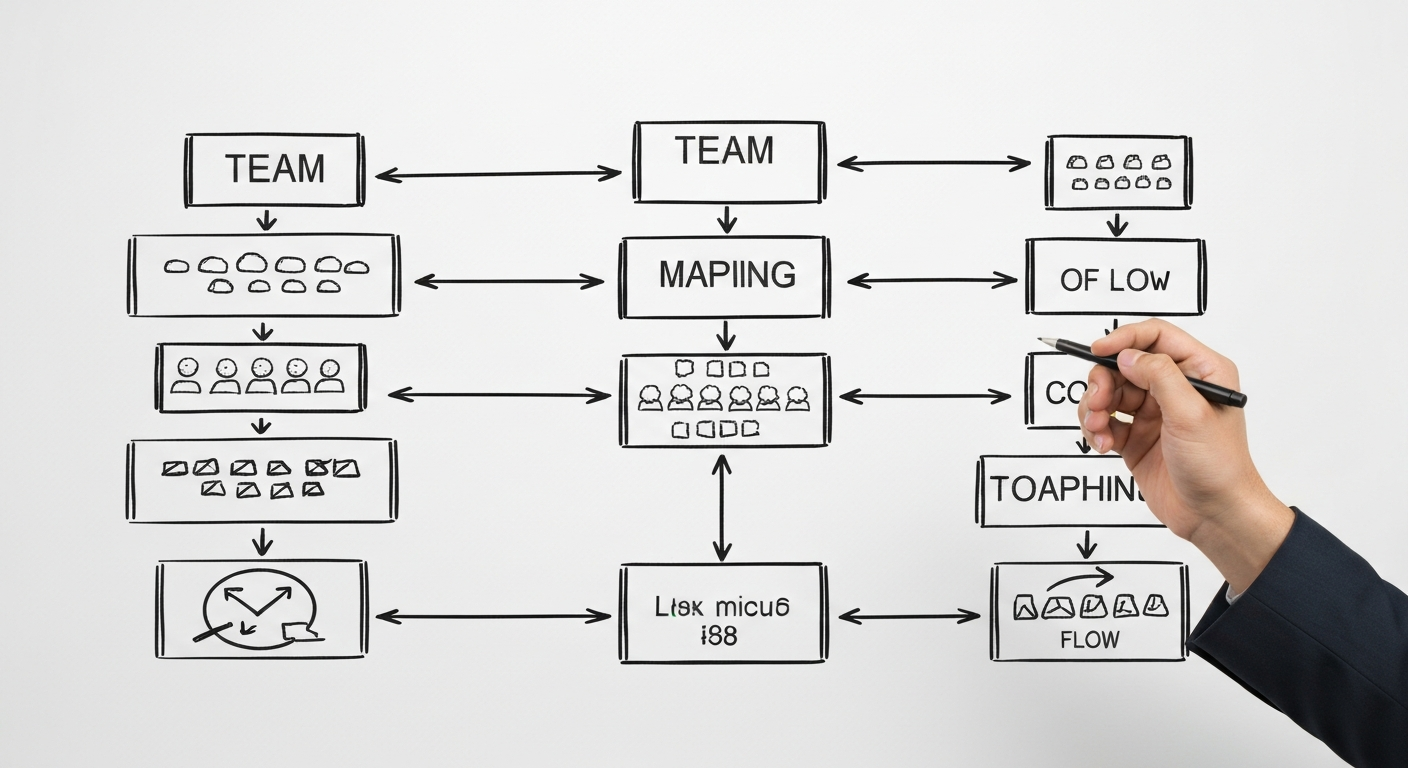
Then map the current flow of those records. Where do they come from, who touches them, and how are they updated. Write that down. Even a simple diagram is powerful because it surfaces hidden handoffs and duplicate work.
Choose a repository. It might be a CRM, a cloud database, or a lightweight data warehouse. What matters is that it's accessible and that it can be connected to your main tools. If you're not sure, pick something that supports integrations because centralized data automation will be how you keep it honest.
Automate the syncs. Use connectors or scripts that move data reliably from source systems into your repository. Schedule them, monitor them, and treat that orchestration like a system you maintain. It's not a set-and-forget thing. Regular checks stop small errors from becoming systemic.
Define ownership and governance. Someone must own the data model, know who updates fields, and approve changes. You might think this is bureaucratic, but it's actually the opposite. Clear ownership prevents the spreadsheet sprawl that creeps back in when responsibilities are fuzzy.
Culture and change management
But cultural adoption is the real hard part. People will cling to their favorite spreadsheets because it feels safer, even if it's risky. You'll need to make the new repository easy to use and show quick wins that matter to frontline staff. Demonstrate how a shared customer timeline saves minutes on calls, or how automated inventory updates prevent rush orders. Small wins build credibility.
Train in short bursts, not long manuals. Embed the new process into daily routines, and celebrate when the system avoids a mess (call it out in a meeting, or in a quick message thread). That social proof helps habits change faster than policy alone.
Trade-offs and realistic limitations
Centralizing data isn't free. There are upfront costs and some complexity. You may need to invest in tools, connectors, and time to clean messy legacy data. There will be governance debates about who can change fields. Expect friction. It's part of the deal.
You shouldn't centralize everything, though.
That short sentence contradicts the rest a little, but it's true: some data is ephemeral, experimental, or too costly to reconcile centrally. Marketing experiments may live in sandboxed analytics for a while. The point is to be strategic about what you put into the single source of truth--focus on the stuff that affects operations and financials first.
Metrics that show it's working
Measure the outcomes you care about. Track time to close monthly books, order accuracy rates, customer response time, and reconciliation effort. Look for lower incident rates where mismatched data used to cause problems (like double shipments or billing disputes).
Also watch adoption metrics. Are people pulling reports from the central system? Are manual reconciliations decreasing? Those behavioral signals often precede hard financial returns because they show your team trusts the data.
Security and compliance considerations
Centralization concentrates risk, so security has to be part of the plan. Use role based access, encrypt sensitive fields, and keep an audit trail of changes. Small businesses often think they don't need enterprise grade controls, but basic precautions will save headaches if something goes wrong.
Compliance is easier when a single source of truth exists because audits are faster and records are consistent. That benefit alone can offset the cost in industries where regulations matter, and it reduces the time your finance or legal folks spend hunting for documents.
Tools and integration patterns
There are many ways to implement a central record. For some businesses a well-configured CRM will do the job. For others a lightweight data warehouse connected through ETL tools is a better fit. The technical choice matters less than the patterns: canonical identifiers for customers and products, single-owner fields, and automated syncs that are monitored.
Consider incremental rollouts. Connect one system at a time and validate. If you try to integrate everything at once you're more likely to break something important. Incremental work reduces risk and makes it easier to show value quickly.
Real-world examples and trade-offs
Imagine a local retailer that used different price lists across channels. They lost sales because online prices didn't match the store. After centralizing product and pricing data they cut pricing errors by over half and returned the saved time to customer-facing activities. That saved money and improved morale, because staff didn't have to apologize to customers as often.
On the other hand, I've seen teams spend months trying to normalize every old field in their databases, with diminishing returns. The better path was to focus on critical records and accept some legacy messiness for nonessential data. That's where pragmatism wins--you can be ambitious without being perfect.
Getting started this quarter
Pick one domain, map the flow, choose a repository, and automate the syncs. Assign an owner and set a short list of metrics to improve. That phased approach keeps momentum while lowering risk, and it makes the work feel achievable instead of like a big IT overhaul.
I once noticed this approach turn a chaotic small business into something that ran with the calm of a larger company. It wasn't magic, just methodical effort focused on the data that actually mattered.

Final thoughts and a modest call to action
You don't need to be a data scientist to get benefits from a single source of truth. You need clarity about what matters, some basic automation, and the willingness to change how people work. If your team spends too much time reconciling numbers or rescuing customer experiences, that's a sign you need a central repository. Start small, measure, iterate, and keep your eye on the operational outcomes.
Centralized business data management isn't a silver bullet but it does change the conversation in a small business from arguing about which number is right to deciding what action to take. And when you're ready, introduce centralized data automation incrementally so it can do what it's supposed to do--keep the facts straight so you can move faster, with more confidence.