
Social platforms are where conversations start, opinions form, and attention drifts fast. There's a huge pile of signals out there--comments, DMs, reactions, shares--and it's noisy as heck. But when you automate lead generation from social media the idea isn't to chase every ping, it's to capture intent reliably and move people into a human follow-up system.
Why social media lead automation matters in 2025
People don't want to fill long forms anymore, they want quick answers and a fast path to value. Social media lead automation gives you that path, so you're catching interest where it happens, and doing the heavy lifting without burning your team out. You get scale without sacrificing context; you can treat a DM from a property-seeker the same way you handle a comment from a small business owner, with rules that triage and route the right prospects to the right person.
Thing is, automation doesn't replace judgment. You still need to decide which platform behaviors are real signals and which are noise, and that's where strategy matters more than tools.
Core building blocks of an automated social lead funnel
There are a few components you pretty much can't avoid if you want a reliable system. First is capture: how are you pulling raw signals off each platform. Second is enrichment: how you're turning a user handle into a contact record with context. Third is routing: how a lead gets to the right salesperson or campaign. Fourth is nurture: how you keep leads warm when they're not ready to talk. And finally measurement: what metrics prove the system's working.
Capture: signals over noise
Capture can be passive or active. Passive capture is scraping public signals (with legal and platform constraints) or using platform-native lead forms and messaging APIs. Active capture is chatbots, gated assets, and conversational prompts that ask someone to opt in. For many teams social media lead automation will use a mix of both, because you want to be sensitive to privacy and still seize obvious opportunities.
About facebook scraper: yes, people talk about scraping Facebook pages and public groups, but the reality is it's fraught with rate limits, Terms of Service issues, and accuracy problems. Consider platform APIs and consent-first approaches before you go down a scraper path. A facebook scraper might pick up leads fast, but it can also get you blocked fast, so weigh that trade-off.
Enrichment: turning handles into usable records
Once you capture a handle or an email, enrichment is where modern systems shine. This is where ai lead generation tools can add real value by inferring intent, likelihood to convert, and fit for your product. AI can score a lead based on language in their messages, public profile signals, and behavioral patterns across posts. That score then drives routing rules so your top leads go to people who convert best.
Practical automation workflows that actually work
Keep workflows simple at first. Start with a single platform and a single campaign objective, and then automate a few tight steps. Here are workflows that are easy to implement but powerful when tuned.
Workflow: comment to qualified lead
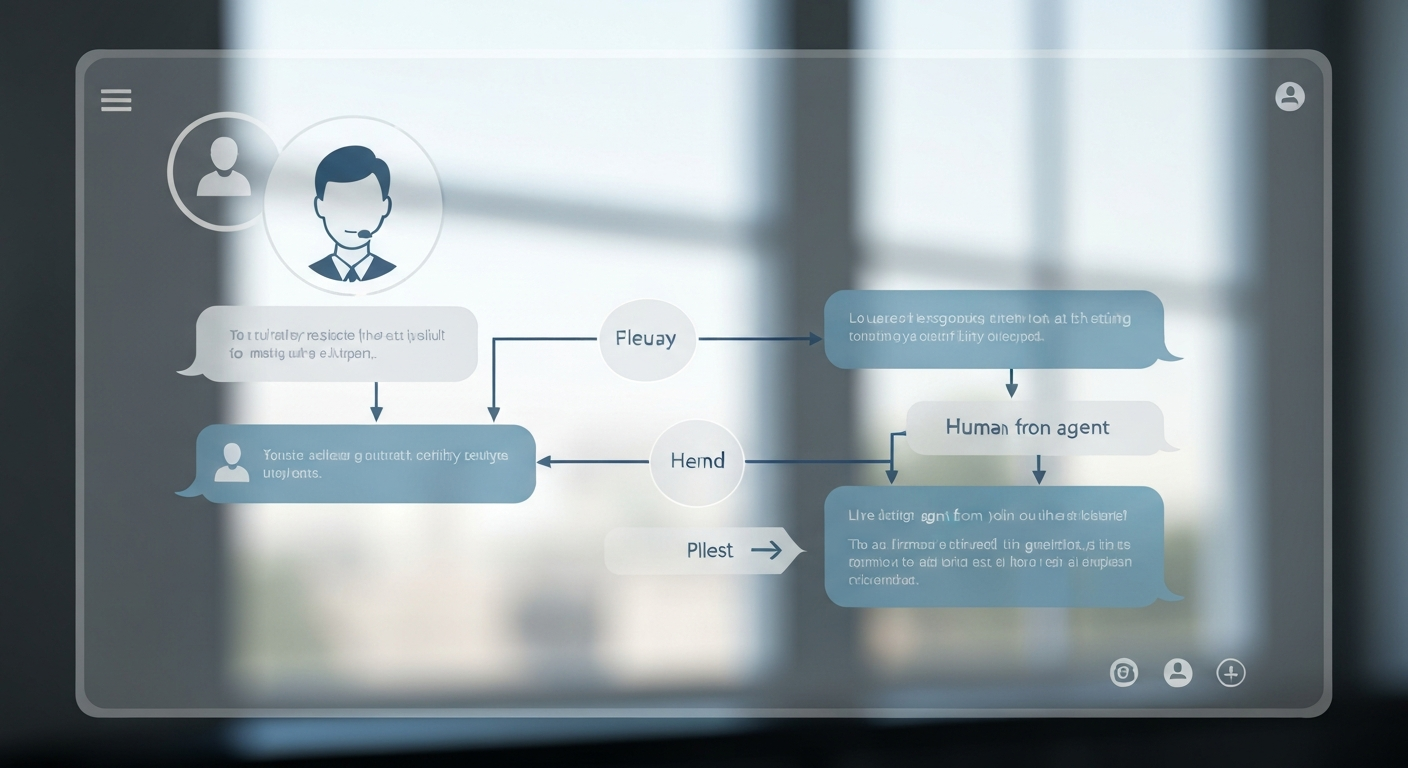
When someone comments on a post, a rule triggers a targeted follow-up. The system sends a friendly DM asking a single clarifying question. If the reply meets minimum criteria the bot asks for an email or schedules a call, otherwise the chat logs go to a human for review. This is low friction, and you avoid forcing people into forms they'd skip.
Workflow: paid ad to conversational lead capture
You run a short-form video ad that offers an immediate answer if the viewer messages you. A chatbot handles the first 30 seconds of conversation, collects a single piece of contact information, and uses ai lead generation scoring to decide whether to pass the lead to sales or nurture with email content. This reduces lead cost and improves quality, because you're only paying for prospects who engage.
Workflow: event or listing alert
For industries like real estate you can automate listing alerts. A user follows a location tag or comments on a listing. The automation adds them to a segmented drip that pushes hyper-local content and an invite to a viewing. That drip can be personalized with location data and past engagement, so it feels bespoke even when it's automated.
Tooling and integrations you should consider
You don't need every shiny tool. Pick a core automation engine that connects to social APIs, a CRM that holds canonical records, and an ai layer for scoring or enrichment. Many teams pick a chat or automation platform that acts as middleware, because it handles rate limits, queuing, retries, and webhook orchestration in a predictable way.
Be realistic about budget. An enterprise platform that does everything well will cost, and a DIY stack with a facebook scraper and glue scripts might seem cheap but will cost time and stability later. I think the mid-tier integrations often give the best ROI for small teams.
Data ethics, privacy, and platform rules
People care about how their data's used, and platform policies are stricter than they were five years ago. You can't just pull public data and spam people. Use opt-in conversational flows, store consent flags in your CRM, and make it easy to unsubscribe. Also document where each data point came from, because if a lead complains you want to show you followed the rules.
There are also legal considerations around scraping and storing PII. If a facebook scraper gathers emails from a public post, that may still be a gray area. I'd recommend avoiding gray areas if you care about brand reputation and long-term reliability.
Measuring success: what actually moves the needle
Vanity metrics are easy. Engagement numbers look good in reports but don't pay commissions. Focus on pipeline metrics: leads that convert to qualified conversations, cost per qualified lead, time to first contact, and conversion rate from conversation to opportunity. Use A/B tests to tune messages, and measure downstream value, not just raw volume.
And don't forget lead decay. People who reply after seven days are usually colder. Automate a rapid first touch within the first hour, then a short nurture sequence after that. Speed matters, and automation is how you win at it.
Common pitfalls and how to avoid them
Over-automation is a real thing. If every touchpoint feels robotic people will disengage. Automation saves time but sometimes it slows things down. Keep human checkpoints where context matters -- high value leads, unusual requests, signals of purchase intent -- and make it easy for a human to take over the thread.
Other pitfalls include poor data hygiene, duplicate records, and mismatched expectations between marketing and sales. Build simple deduplication rules, tag sources, and agree on a definition of qualified lead so everyone knows when to act. A short playbook goes a long way.
Tuning and continuous improvement
Automation isn't a set-it-and-forget-it project. Monitor false positives and false negatives, and retrain your ai lead generation models when patterns change. If you rely on keyword triggers remember language evolves, so periodic review is necessary. Try small experiments often and treat the automation stack as product that needs iteration.
I've been in projects like this, and the teams that win are the ones that treat automation as a partnership between humans and software. The software catches and sorts, humans convert and build relationships.

Real-world example: a small real estate agency
A three-person agency used a conversational funnel on social to capture listing interest. They automated comment responses and used a chatbot to qualify urgency and budget. High-intent leads were routed to the lead agent's calendar, lower-intent leads entered a local drip that prioritized neighborhood insights. They cut wasted time chasing cold queries, and their conversion on booked viewings went up noticeably.
It's a simple setup, but the trick was aligning expectations. Sales knew which messages to take live, marketing knew which creative drove qualified comments, and the automation made sure no lead sat for more than an hour without a touch.
Final thoughts and trade-offs
Social media lead automation is powerful but it's not magic. You'll need to balance speed with privacy, volume with quality, and automation with human touch. Use ai lead generation thoughtfully, and don't be tempted to treat a facebook scraper as a long-term strategy. If you do the basics well--fast first touch, clear consent, quality enrichment, and simple routing--you'll see real gains.
It might feel like a lot, and you probably won't get everything right the first month, but you can iterate fast and improve. The outcome is worth it though; when your system is humming your team spends time where it matters, and prospects get faster, better answers.